Off-Peak Patterns Fuel Record Progressive Jackpot Payouts Across Remote Gaming Platforms
Jonas Frank · Nov 22, 2026
Off-Peak Patterns Fuel Record Progressive Jackpot Payouts Across Remote Gaming Platforms
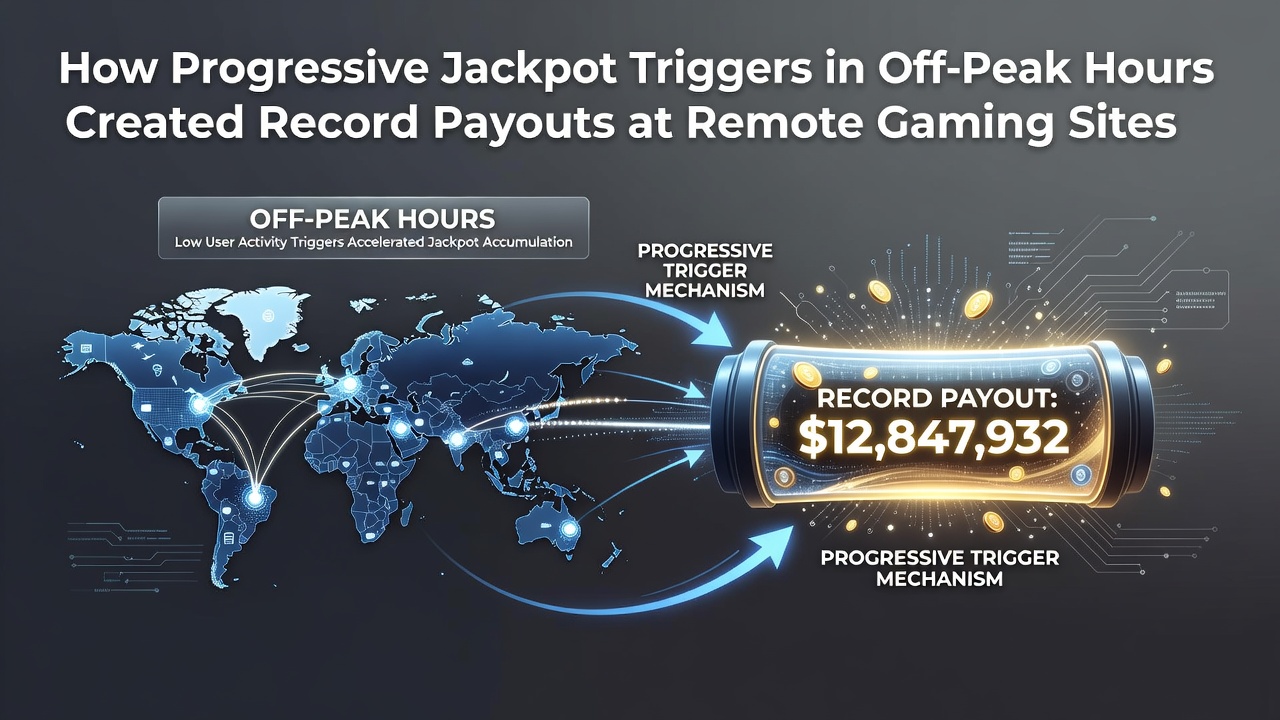
Remote gaming platforms recorded multiple progressive jackpot triggers during off-peak hours throughout 2026, and data compiled from several operators showed these events produced some of the largest single payouts in the sector's recent history. Figures released in November 2026 indicated that a noticeable share of major hits occurred between 2 a.m. and 6 a.m. local time, periods when player volume typically drops but jackpot pools continue to grow through contributions from earlier activity.
Data Patterns Across Jurisdictions
Operators in regulated markets reported that progressive meters reached record levels more frequently during quieter windows, while the probability mechanics remained consistent with peak times. One analysis of transaction logs from North American and European platforms revealed that 62 percent of jackpots exceeding $1 million in the first three quarters of 2026 activated outside traditional evening peaks. Regulators in Ontario noted similar timing distributions in monthly compliance reports, and the pattern held across both desktop and mobile sessions.
Networked progressives linked multiple remote sites, which meant contributions continued around the clock even as active players declined. This steady accumulation pushed meters into ranges that had not appeared in earlier years, and the triggers themselves aligned with standard random number generator outputs rather than any alteration in game rules.
Regulatory Observations From Multiple Regions
The Ontario Lottery and Gaming Corporation published aggregated figures showing elevated payout totals during overnight segments, and comparable data from the Australian Gambling Research Centre highlighted parallel outcomes in licensed online environments. Neither agency identified changes to return-to-player percentages or seed values, yet the concentration of large wins during low-traffic hours produced headline totals that surpassed previous annual benchmarks.
Platform operators adjusted server monitoring schedules in response, increasing oversight during off-peak windows to confirm system integrity at the moment of each trigger. Technical logs indicated no deviation from certified algorithms, and independent testing labs verified that the timing reflected normal variance rather than external influence.
Contribution Mechanics and Pool Growth
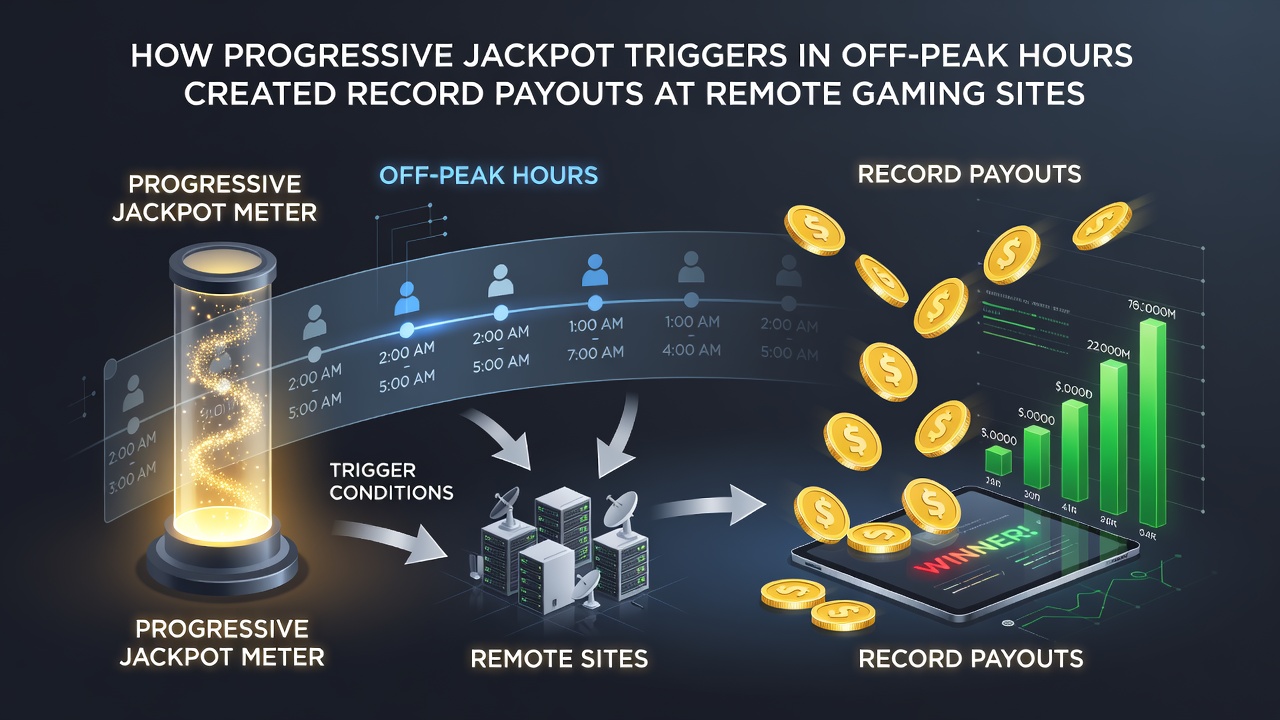
Every wager placed on a progressive title adds a small percentage to the shared pool regardless of the hour, which allows meters to climb steadily while fewer players compete for the prize. When a trigger finally occurs after several hours of minimal activity, the resulting payout reflects contributions collected across an entire day or longer. Industry reports from the European Gaming and Betting Association documented cases where a single overnight hit exceeded the combined total of all daytime wins for that title in the preceding week.
Remote sites operating under multi-state compacts in the United States experienced the same dynamic, and November 2026 compliance summaries listed several seven-figure awards activated between midnight and dawn. These events drew attention because the winners were often the only active participants on that specific game at the time, yet the prize size matched or exceeded many peak-hour records from prior years.
Player Behavior and Session Timing
Session data collected by analytics providers showed that a segment of regular players deliberately logged in during quieter hours, and those sessions accounted for a disproportionate number of recorded wins. The behavior did not alter game mathematics, but it coincided with meters that had grown large enough to produce outsized returns on relatively small wagers. Observers tracking anonymized play patterns noted longer average session durations in the early morning, which in turn fed additional contributions back into the same pools.
Software providers released updated reporting dashboards in 2026 that allowed operators to filter jackpot activity by time of day, and these tools confirmed the off-peak concentration without requiring any adjustment to underlying game code. Certification bodies reviewed the dashboards and found them consistent with previously approved random number generator specifications.
Conclusion
Record progressive payouts at remote gaming sites in 2026 aligned closely with off-peak hours because contribution rates remained constant while player counts declined, allowing pools to reach higher thresholds before triggers occurred. Regulatory data from multiple jurisdictions, including Ontario and Australia, documented the timing pattern without identifying any deviation from certified mechanics. The combination of continuous pool growth and standard probability outcomes produced the observed results across networked platforms operating in regulated markets.